Bhutan: Land of the Thunder Dragon
A Journey Through Its History, Symbols, Culture, People, and Cuisine
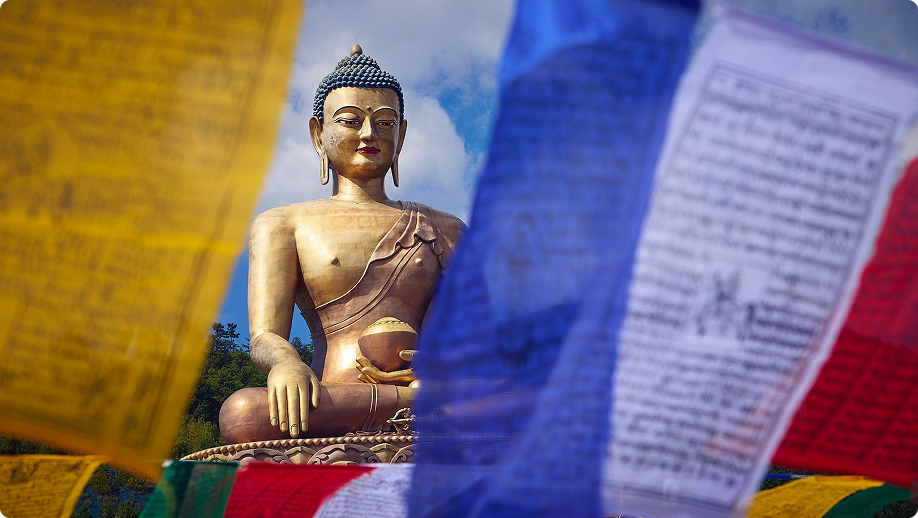
BRIEF HISTORY OF BHUTAN
Pre-Buddhist Era
Human presence dates back to 2000 BC, with Bon (an indigenous religion) practiced before Buddhism.
Guru Rinpoche (8th Century)
Introduced Buddhism, subdued deities, and established sacred sites like Taktsang Monastery and Kurje Lhakhang.
The Rise of Drukpa Kagyu (13th Century)
Zhabdrung Ngawang Namgyal unified Bhutan, set up governance with both religious and secular leaders, and defended against Tibetan invasions.
Unification under Zhabdrung (17th Century)
In 1907, Ugyen Wangchuck became the first king. In 2008, Bhutan adopted a constitution and moved to democracy under King Jigme Khesar Namgyel Wangchuck.
The Wangchuck Dynasty (1907 – Present)
Human presence dates back to 2000 BC, with Bon (an indigenous religion) practiced before Buddhism.
CULTURE AND TRADITION
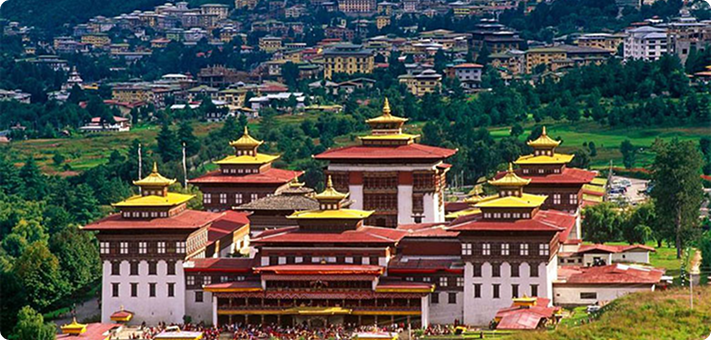
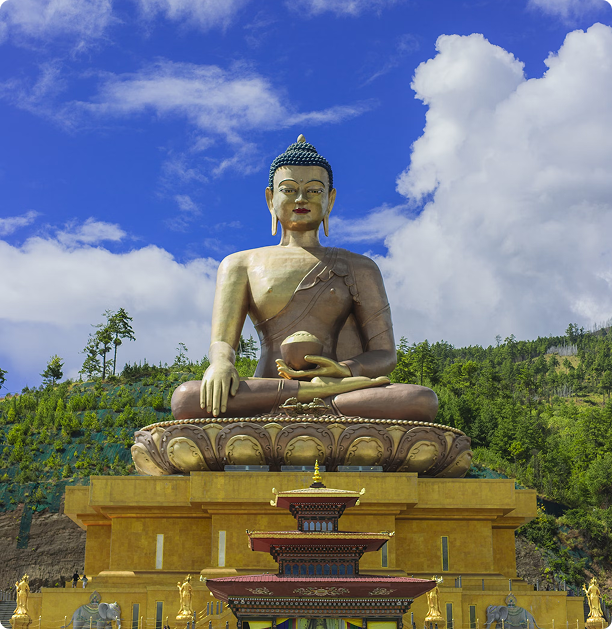
Bhutanese culture is deeply rooted in Mahayana Buddhism, which shapes the country’s spiritual life, social customs, and identity. The influence of religion is visible in the countless temples, monasteries, and colorful prayer flags spread across the landscape, while annual religious festivals known as Tsechus bring communities together with masked dances, music, and sacred rituals.
Equally important are the values of respect, hospitality, and community spirit. Bhutanese society emphasizes harmony and civic duty through the code of Driglam Namzha, which guides dress, etiquette, and public behavior. Traditional arts and crafts, intricate weaving, and the imposing architecture of fortress-like Dzongs preserve the nation’s heritage, while everyday life reflects warmth, reverence for elders, and greetings such as “Kuzuzangpo La.”
National Symbols
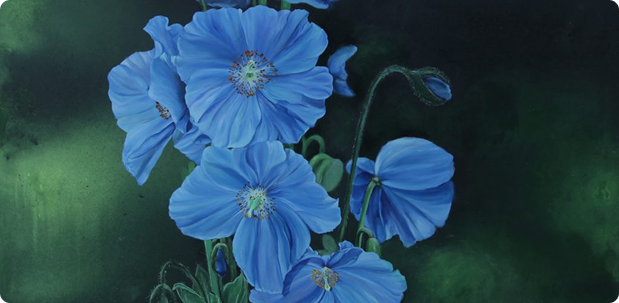
National Flower
The blue poppy (Meconopsis gakyidiana), a delicate blue or purple flower.
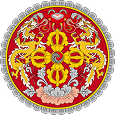
National Emblem
Circle with thunderbolt on lotus, symbolizing harmony of spiritual and secular powers.
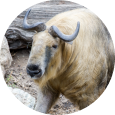
National Animal
The takin (Budorcas taxicolor), a unique goat-antelope found in the Himalayas.
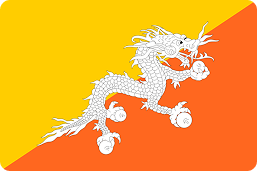
National Flag
Yellow (royal authority) + Orange (Buddhism) with the White Dragon.
National Anthem
National Anthem: The anthem, "The Thunder Dragon Kingdom," praises the nation and its natural beauty.
National Bird
National Bird: The raven (Corvus corax), representing the deity Gonpo Jarodongchen.
National Language
National Language: Dzongkha, the language of the Dzongs (fortress-monasteries).
National Dress
The Gho for men and Kira for women.
Authentic Bhutanese Cuisine
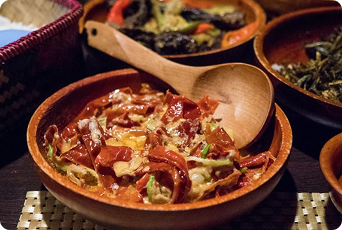
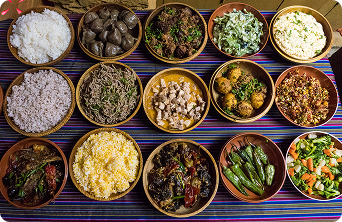
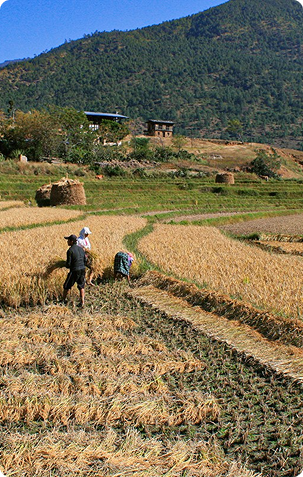
Bhutanese food is known for its bold flavors, heavy use of chilies, and reliance on locally grown ingredients. The staple is red rice, often paired with buckwheat in regions like Bumthang. The national dish, Ema Datshi, combines chilies and cheese in a spicy stew that epitomizes Bhutanese taste preferences. Other favorites include Jasha Maroo, a hearty chicken stew, and Phaksha Paa, pork cooked with chilies. Meals typically feature pork, beef, chicken, and in highland areas, yak meat. Fresh vegetables like spinach, pumpkin, radish, and river weed are staples, while cheese remains a central ingredient in many sauces and stews. Popular drinks such as Suja (butter tea) and Ara (a traditional alcohol) complete the Bhutanese dining experience.
Ethnic Groups
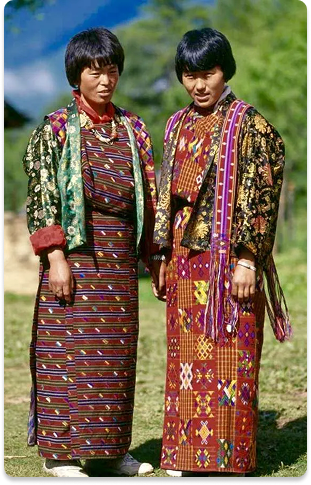
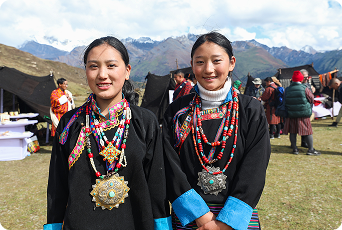
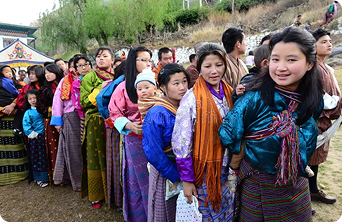
Bhutan is home to a diverse population made up of three main groups: the Ngalops, Sharchops, and Lhotshampas. The Ngalops, of Tibetan descent, dominate the west and north of the country and are credited with bringing Tibetan Buddhism and the Dzongkha language. The Sharchops, often described as the earliest inhabitants, live mainly in the east and share a strong Buddhist tradition. The Lhotshampas, of Nepali origin, reside in the southern foothills and practice Hinduism, adding to Bhutan’s cultural mosaic. Smaller indigenous communities such as the Layap, Brokpa, Doya, and Lepcha also contribute to the nation’s unique cultural diversity.